


If you’ve ever bought or sold a home, you know that the closing date listed in the real estate contract isn’t always the day you actually close. While everyone hopes the transaction will stay on schedule, real estate closings involve many moving parts, and delays can happen for a variety of reasons.
Understanding what the closing date really means, why it sometimes changes, and what happens if the transaction doesn’t close on time can help reduce stress and set realistic expectations for buyers and sellers alike.
How Does a Closing Date Work?
The Agreement spells out how long the buyer has to accomplish these important steps – The Closing Date. Sometimes these essential tasks take longer than originally expected. As each step requires more and more time, guess what happens? The Closing is delayed.
When choosing a closing date, which is done by the buyer, it’s important to provide at least 30 days, though most people set It for 30-45 days after the offer has been accepted.
So even though the Closing Date is clear in the offer, which then becomes an enforceable Agreement, it is not necessarily the date you will close.
Many sellers (and buyers, for that matter) become frustrated with the process because they rely on the Closing Date listed in the contract. To ease the stress of an already stressful situation, we advise clients to try to be flexible with the date, within reason, of course.
In Connecticut, real estate attorneys play a central role in the closing process. Unlike some states where title companies handle most aspects of a closing, Connecticut attorneys coordinate with lenders, title companies, real estate agents, and the parties to help ensure that all legal requirements are satisfied before the transaction is completed.
Related Article: Your Real Estate Closing Team – Who’s On It?
How Does a Closing Work?
The real estate contract is typically called a “Purchase and Sale Agreement”. The transaction is initiated by the party who wants to purchase the property (usually with their real estate agent’s help) by submitting the “offer”.
The offer includes the pertinent terms of the deal, including the purchase price and closing date. When the seller signs the offer, it becomes an Agreement with a capital A. It is now enforceable, and the parties are bound by the terms of the document…or are they?
Many people assume that the terms in a legal document such as a purchase & sale contract for a home are set in stone.
Related Article: Real Estate Contract Terms You Should Know!
The Closing date is not one of them. This is because there are many factors and parties involved, beyond just the buyer and seller, especially when the buyer is obtaining a mortgage.
First, the buyer usually performs several inspections. During this time, the buyer should also be pursuing financing to purchase the home.
Since the crash of the mortgage market in 2008, obtaining a mortgage requires a tremendous amount of documentation and verification of income and assets.
Often the buyer’s mortgage is contingent on the buyer selling their own home, so the closing date also hinges on the progress of the buyer’s buyer. This creates a domino effect that could cause the closing date to come and go without a closing.
Related Article: How To Ensure You Are Purchasing a Property With a Clear Title?
What Steps To Take To Avoid Extra Closing Complications?
- My advice is to not lock yourself into a moving company for that date right away.
- Do not lock a mortgage rate that expires that day or even a day or two after (you will end up paying fees to extend the rate lock if the closing is delayed).
- Don’t arrange for your children to switch schools until the closing is actually scheduled with your attorney’s office.
- Be ready for the unexpected by keeping an open mind and a flexible attitude. The large majority of Agreements end up closing, and in the end, a week or two is not going to make a big difference in your life.
Why Do Closing Dates Get Delayed?
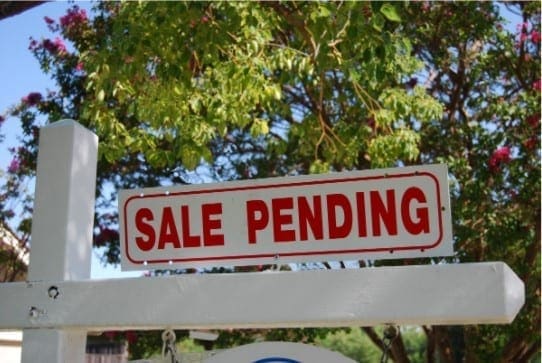
While a delayed closing can certainly be frustrating, it does not necessarily mean the transaction is falling apart. In many cases, the parties simply agree to sign a written amendment extending the closing date while the remaining issues are resolved. Communication between the attorneys, lenders, real estate agents, and the parties is often the key to keeping the transaction moving forward.
- Mortgage underwriting delays
- Low appraisal
- Inspection issues
- Title problems
- Probate issues
- Seller’s new home isn’t ready
- Survey or municipal issues
- Last-minute document requests
- Wire delays
- Recording delays
Can You Push Back a Closing Date?
Yes, pushing back a closing date is actually quite common due to certain obstacles that may arise during the inspection. One of the obstacles that may push back a closing is the lender not giving final approval on the mortgage loan in time to close by the first date that was established.
If this happens, then the seller and buyer must agree to a new closing date, but not until the lender has given the buyer final approval; then you can choose a firm closing date.
Related Article: Joint Tenancy Vs Tenants-In-Common
How Long After The Closing Date Can You Move In?
While the closing date is the day when ownership of the home is transferred from the sellers to the buyers, the actual moving day, or occupancy date, may or may not happen at a different time. Some home sellers can move out before the closing, allowing the buyers to move in immediately after the closing is complete.
However, others may need extended occupancy in the home, up to 60 or 90 days. In that case, the previous owners must pay rent to the new owners of the home for their additional time in the home.
If there is a deadline that you absolutely have to close by, like your lease ending on your current residence, you should set a closing date about 10 to 14 days prior to that deadline. For example, if you need to be in your new residence by September 1st, you should set a closing date for no later than August 15th.
Related Article: The 12 Real Estate Closing Steps
Closing Date FAQ
Can a closing date be changed?
Yes. Buyers and sellers frequently agree to extend the closing date by signing a written amendment.
Can a seller back out because the closing is delayed?
It depends on the terms of the contract and the reason for the delay. Your attorney can explain your rights under the agreement.
What happens if my mortgage isn’t ready?
Your attorney and real estate agent will usually work with the other party to negotiate an extension if appropriate.
Can I move in before closing?
Sometimes, but occupancy agreements should always be reviewed carefully by your attorney.
Who decides the final closing date?
The closing date is negotiated by the buyer and seller when the contract is signed, but the actual closing appointment is coordinated among the attorneys, lender, and other parties once everything is ready.
Disclaimer: The information provided in this article does not, and is not intended to, constitute legal advice and is for general informational purposes only.
Let Us Know How We Can Help!
Please fill in your contact information and a brief message about what you need help with. A consultation will need to be scheduled in order to provide legal guidance.
Joan Reed Wilson Esq. – Managing Partner
Practices in the areas of estate planning, elder law, Medicaid planning, conservatorships, probate and trust administration, and real estate. Admitted to practice in the States of Connecticut and California, she is the former President of the CT Chapter of the National Academy of Elder Law Attorneys (NAELA), an active member of the Elder Law Section of the Connecticut Bar Association, accredited with the PLAN of CT for Pooled Trusts, with the Veteran’s Administration to assist clients with obtaining Aid & Attendance benefits for long-term care needs and with the Agency on Aging’s CareLink Network.


